Seljalandsfoss and Skógafoss: Iceland's Two Famous Waterfalls Compared
Seljalandsfoss vs Skógafoss: which Iceland waterfall is better? Compare both, plus the hidden Gljufrabui waterfall and tips for visiting on the South Coast.
Every South Coast trip hits both of these waterfalls, and every tourist asks the same question: which one is better? I've been to both more times than is probably reasonable, and the honest answer is that they're completely different experiences. Comparing them is a bit like comparing a symphony to a rock concert. Both are great. They just do different things.
Let me break it down so you know what to expect.
Seljalandsfoss: The Elegant One
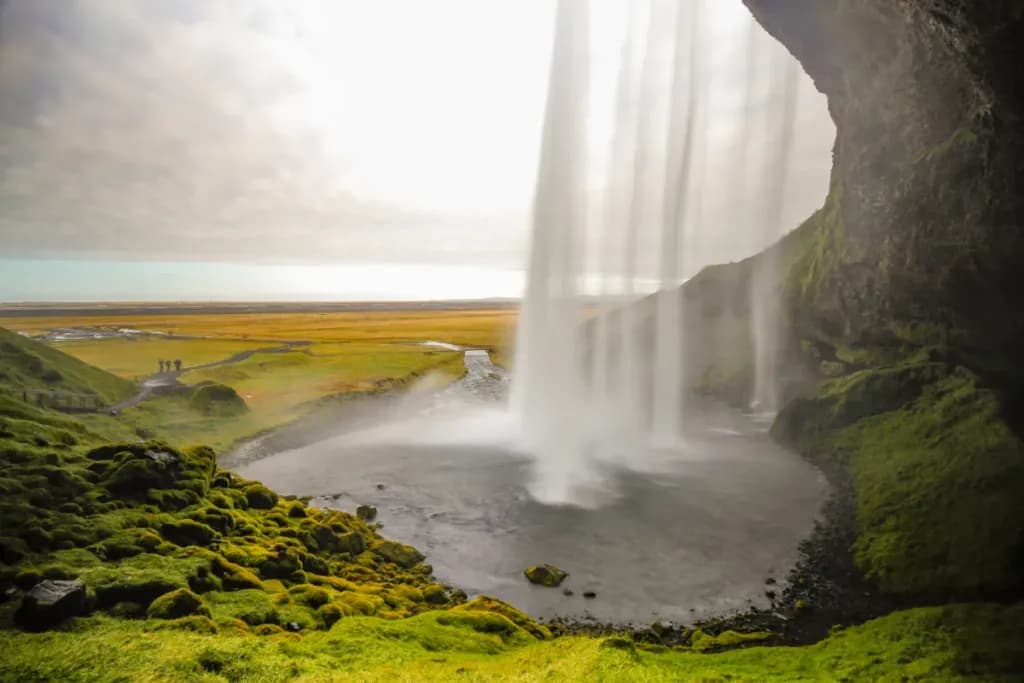
Seljalandsfoss ("SEL-ya-lands-foss") drops 60 meters from a cliff that overhangs just enough to create a cavity behind the water. And yes, you can walk behind it. That's the headline feature, and it's every bit as cool as it sounds.
The path loops around the back of the falls, and when you're standing there with a curtain of water in front of you and mossy rock behind, it feels like you've stepped into one of those fantasy movie scenes. The sound is enormous. The mist catches light and throws rainbows around. On a sunny day, it's magical. I don't use that word lightly.
Height: 60 meters Width: Relatively narrow, a single stream that fans out as it falls Can you walk behind it? Yes. That's the whole point. Spray level: Extreme. You will get wet. Full waterproof jacket recommended, and consider a dry bag for your phone/camera. Accessibility: The path behind the falls is uneven, rocky, and slippery. It's not accessible for wheelchairs or strollers, and it closes in winter when ice makes it dangerous.
The waterfall is fed by Seljalandsriver, which originates from the Eyjafjallajökull glacier (yeah, that volcano). The cliff it falls from is actually the edge of a former coastline. Thousands of years ago, this cliff was a sea cliff. The ocean has since retreated about 5 km south.
The Hidden Gem: Gljufrabui
Here's the part that most visitors miss. Walk south from Seljalandsfoss along the cliff face for about 10 minutes and you'll reach Gljufrabui ("GLYOO-vra-boo-ee"), which translates to "dweller in the gorge." It's a waterfall hidden inside a narrow canyon, almost completely concealed from the outside.
To see it properly, you wade through a shallow stream into the canyon entrance. The walls close in around you, and suddenly there's a 40-meter waterfall pouring down into this enclosed space. The acoustics amplify everything. It's one of the most atmospheric spots on the entire South Coast, and it's right there, a short walk from one of the most visited places in Iceland.
Wear waterproof shoes. The stream at the entrance is ankle-deep and cold.
Skógafoss: The Powerful One
If Seljalandsfoss is elegant, Skógafoss ("SKOH-ga-foss") is raw power. It's 25 meters wide and drops 60 meters in a massive sheet of water that hits the ground with a force you can feel in your chest. The mist cloud it generates is visible from the road.
You can't walk behind Skógafoss. The cliff face is flat and the water crashes straight down. But you can walk right up to the base and stand within meters of the impact zone, which is its own kind of experience. It's loud, it's wet, and the scale of it is humbling.
Height: 60 meters (same as Seljalandsfoss) Width: 25 meters (much wider) Can you walk behind it? No. Spray level: High at the base, but you can choose your distance. Accessibility: The base is flat and easily accessible. There's also a staircase (527 steps) to the top.
Those stairs are worth the effort. From the top, you look down on the falls and out across the Skógasandur black sand plains toward the coast. The Fimmvörðuháls hiking trail to Þórsmörk starts from here, and you can see the first stretch of it heading inland along the river.
The treasure legend: Þrasi Þórólfsson, one of the first Norse settlers in the area, supposedly hid a chest of gold behind the waterfall. A local boy once found the ring on the side of the chest, but when he pulled, the ring came off and the chest stayed put. The ring is now kept in the local Skogar Museum. The chest, presumably, is still back there.
Side by Side
| | Seljalandsfoss | Skógafoss | |---|---|---| | Height | 60 m | 60 m | | Width | Narrow | 25 m | | Walk behind? | Yes | No | | Stairs to top? | No | Yes (527 steps) | | Nearby hidden gem | Gljufrabui | Skogar Museum | | Spray level | Extreme | High | | Crowd level | High | High | | Parking fee | Yes | Yes |
Which Should You Visit?
Both. They're only 30 minutes apart on Route 1, and every South Coast trip includes both. There's no reason to choose.
But if you're truly pressed for time (say, you lingered too long at Reynisfjara and the light is fading), here's my call:
Choose Seljalandsfoss if: you want a unique, immersive experience and don't mind getting soaked. Walking behind a waterfall is something most people have never done.
Choose Skógafoss if: you want drama and scale, you want to photograph rainbows in the mist, or you're up for the staircase climb for an incredible panoramic view.
Photography Tips
Seljalandsfoss: Best shot is from behind the falls looking out. Use a wide-angle lens. Protect your gear from spray. Late afternoon light is beautiful because the sun backlights the water.
Skógafoss: Rainbows appear almost constantly on sunny days. Stand directly in front, slightly off-center, for the classic shot with the rainbow arcing across the falls. For the top-down view, climb the stairs. Long exposures work beautifully to smooth the water.
Both waterfalls: Overcast days produce more even light and richer colors. Don't write off cloudy weather for waterfall photography. It's often better than sunshine.
Visiting Tips
Parking: Both have parking lots with small fees. Have some krona or a card ready.
Time of day: Early morning (before 9 AM) or late evening for fewer people. In summer, the late evening light is gorgeous and most tour buses have left by then.
Season: Both are spectacular year-round. In winter, ice formations surround the falls and the landscape turns white and black. The path behind Seljalandsfoss closes when it's icy, but Skógafoss is accessible all year.
The Short Version
Visit both. They're half an hour apart and they couldn't be more different. Seljalandsfoss is the one you walk behind and get soaked at. Skógafoss is the one that makes you feel small. Don't skip Gljúfrabúi between them.
If you want to hear the stories while you're standing in the spray (the Viking gold, the geological history, why this cliff even exists), we built an audio guide for the whole South Coast route. It's called Iceland Local. But even without it, these two waterfalls are going to be highlights of your trip. They just are.
Explore Iceland with a Local Guide
Download the app for GPS-triggered audio tours narrated by a real Icelander. Eyes up, phone down.
More from the blog
Apr 9, 2026
Golden Circle or South Coast? How to Choose Your Iceland Day Trip
Golden Circle vs South Coast Iceland: which day trip is better? An honest comparison covering what each offers, best season, and how to choose.
Apr 9, 2026
Hallgrímskirkja: The Story Behind Reykjavik's Iconic Church
The full story of Hallgrímskirkja, Reykjavik's iconic church. Architecture, history, the tower view, pipe organ, and tips for visiting from a local.