Reynisfjara Black Sand Beach: What to Know Before You Go
Everything you need to know about Reynisfjara black sand beach in Iceland. Safety tips, the troll legend, basalt columns, puffins, and how to visit safely.
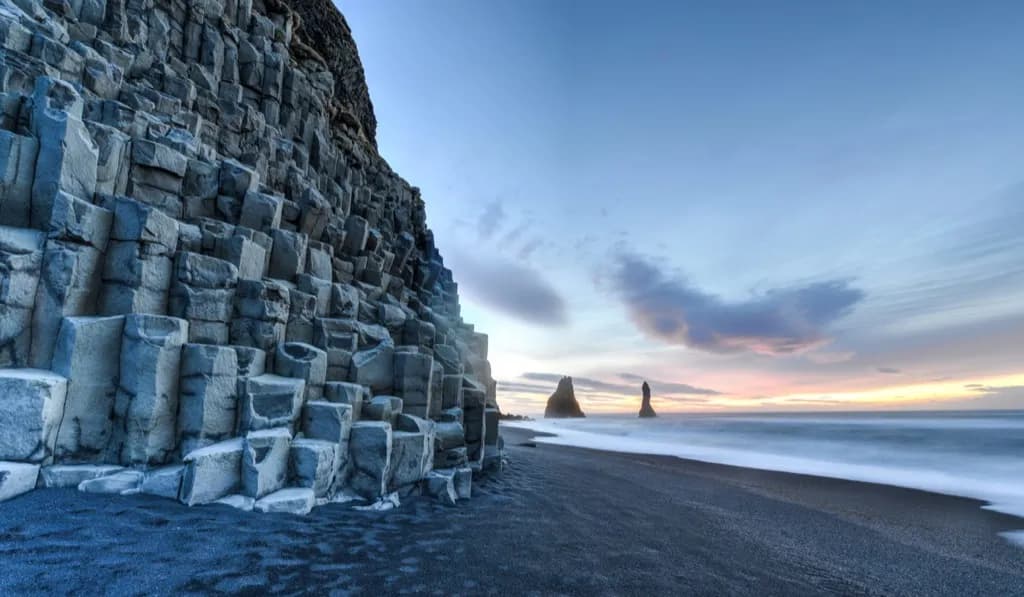
Reynisfjara is probably the most photographed beach in Iceland. It shows up in every travel guide, every Instagram feed, every "places to visit before you die" list. And it deserves all of it. The jet-black sand, the towering basalt columns, the Reynisdrangar sea stacks rising from the surf. It's one of those places that looks dramatic in photos and somehow even more dramatic in person.
But I need to start with the thing most travel articles bury halfway down the page, because it matters more than any photo opportunity.
The Waves Are Dangerous. Seriously.
I'm not being dramatic. Reynisfjara has some of the most dangerous waves in Iceland. They're called sneaker waves, and the name tells you exactly why they're terrifying. The ocean looks calm. You walk toward the water. And then a wave surges in 20, 30, sometimes 40 meters further up the beach than the previous ones. No warning.
People have died here. Tourists who were standing where the sand looked dry. The water is near freezing, the undertow is powerful, and if a wave knocks you down, it can drag you out before anyone can help.
The rules are simple. Never turn your back on the ocean. Stay well above the wet sand line. If you see a wave coming in further than expected, run inland, not sideways. And keep children close.
I know this sounds intense for a beach visit. But once you respect the ocean, Reynisfjara is safe to enjoy and absolutely worth your time. Just stay alert.
The Basalt Columns
The first thing you'll notice when you arrive (after the sand and the waves) is the wall of basalt columns on the eastern side of the beach. They look like a giant pipe organ made of stone. Perfectly hexagonal, stacked in columns that reach up to 20 meters high.
These formed when lava cooled slowly and evenly, contracting into these geometric shapes. The process is called columnar jointing, and while it happens in a few places around the world (Giant's Causeway in Northern Ireland, Devil's Postpile in California), the columns at Reynisfjara are some of the tallest and most perfectly formed.
You can sit on the lower columns. People climb them, too, though the rock can be slippery and I'd recommend being careful. The columns make natural steps of varying heights, and photographers love them because they create incredible leading lines against the black sand and ocean backdrop.
There's also Hálsanefshellir, a shallow cave formed in the basalt at the base of the cliff. You can walk into it and look up at the hexagonal ceiling. It's eerie and beautiful. Just be mindful of falling rocks. The cave does erode over time.
The Reynisdrangar Sea Stacks
Out in the ocean, three jagged rock pillars rise from the surf. These are the Reynisdrangar, and they're probably what you've seen in those moody Icelandic landscape photos.
The geological explanation: they're the remnants of an ancient cliff that has eroded away, leaving these harder rock cores standing.
The Icelandic explanation: they're trolls. Two trolls were dragging a three-masted ship to shore when dawn broke. Trolls, as everyone knows, turn to stone in sunlight. So there they stand, frozen forever just offshore. If you look at them from certain angles, you can see the shapes of hunched figures. At least, that's what I see. Maybe I grew up hearing the story too many times.
Puffins (If You Time It Right)
Between April and mid-August, Atlantic puffins nest on the cliffs around Reynisfjara and the nearby Dyrhólaey promontory. Puffins are absurd little birds. They look like someone designed a penguin but gave it a parrot's face and painted it by committee.
You'll see them flying in and out of their burrows in the cliff faces, and sometimes standing on ledges in groups, looking confused about something. Binoculars help, but even without them you can spot them if you look carefully at the upper cliffs.
The best puffin viewing near Reynisfjara is actually from Dyrhólaey, which is about a 15-minute drive west. The cliffs there are lower and the puffins nest closer to eye level. Note that the road to the upper Dyrhólaey viewpoint sometimes closes during peak nesting season to protect the birds.
How to Get There
Reynisfjara is about 180 km (2.5 hours) from Reykjavik, on the South Coast route along Route 1. You'll turn off Route 1 onto Route 215, which takes you directly to the beach parking lot. The turnoff is well signed.
Most people visit Reynisfjara as part of a full South Coast day trip that also includes Seljalandsfoss, Skogafoss, and the village of Vik. It makes sense to combine them. They're all on the same stretch of road.
There's a parking lot with a small fee, a restroom, and a cafe called the Black Beach Restaurant, which is better than you'd expect from a tourist-area restaurant. The lamb soup is solid.
Best Time to Visit
Summer (June-August): Long daylight, puffins, warmer temperatures (though "warm" is relative in Iceland, so bring layers). This is also the busiest time. Arrive early morning or late evening to avoid the biggest crowds.
Shoulder season (April-May, September-October): Fewer crowds, more dramatic weather. The beach looks its best under moody skies, honestly. The colors are more intense when it's overcast.
Winter (November-March): The beach is spectacular in winter, but the weather is unpredictable. Days are short, the wind is fierce, and road conditions can be challenging. Check road.is before driving. That said, if you catch it on a calm winter day, the black sand against snow on the surrounding mountains is extraordinary.
Time of day: The beach faces south, so afternoon light is best for photography. Sunset creates incredible colors on the basalt columns. In summer, the sun barely sets, so you have golden light for hours.
What to Bring
Layers and a windproof jacket. It's almost always windy at Reynisfjara, and the wind carries fine black sand that gets everywhere. Waterproof shoes are helpful because you'll be walking on sand that's often damp. A camera, obviously. And patience, because you'll want to stay longer than you planned.
One More Thing
I keep coming back to Reynisfjara because it never looks the same twice. Different light, different tide, different weather, totally different beach. If you want the full backstory while you're there, the troll folklore, the geology behind the columns, why the waves behave the way they do, we made an app (Iceland Local) that tells you all of it through your headphones as you walk around. But honestly, even without any of that context, Reynisfjara is the kind of place that doesn't need an explanation to leave an impression.
Explore Iceland with a Local Guide
Download the app for GPS-triggered audio tours narrated by a real Icelander. Eyes up, phone down.
More from the blog
Apr 9, 2026
Golden Circle or South Coast? How to Choose Your Iceland Day Trip
Golden Circle vs South Coast Iceland: which day trip is better? An honest comparison covering what each offers, best season, and how to choose.
Apr 9, 2026
Hallgrímskirkja: The Story Behind Reykjavik's Iconic Church
The full story of Hallgrímskirkja, Reykjavik's iconic church. Architecture, history, the tower view, pipe organ, and tips for visiting from a local.